Banned to Beloved: Manon Lescaut's Journey as a French Classic
Few literary works have weathered the storms of censorship and moral outrage only to emerge as enduring classics with the same resilience as Abbé Prévost's *Manon Lescaut*. Originally deemed scandalous and forbidden, this tragic tale of love, passion, and moral decline has captivated generations, cementing its place as a cornerstone of French literature and inspiring countless adaptations across various art forms. Its journey from an outcast to an icon is a testament to its profound psychological depth, compelling narrative, and the timeless dilemmas it explores.
The Scandal That Sparked a Sensation
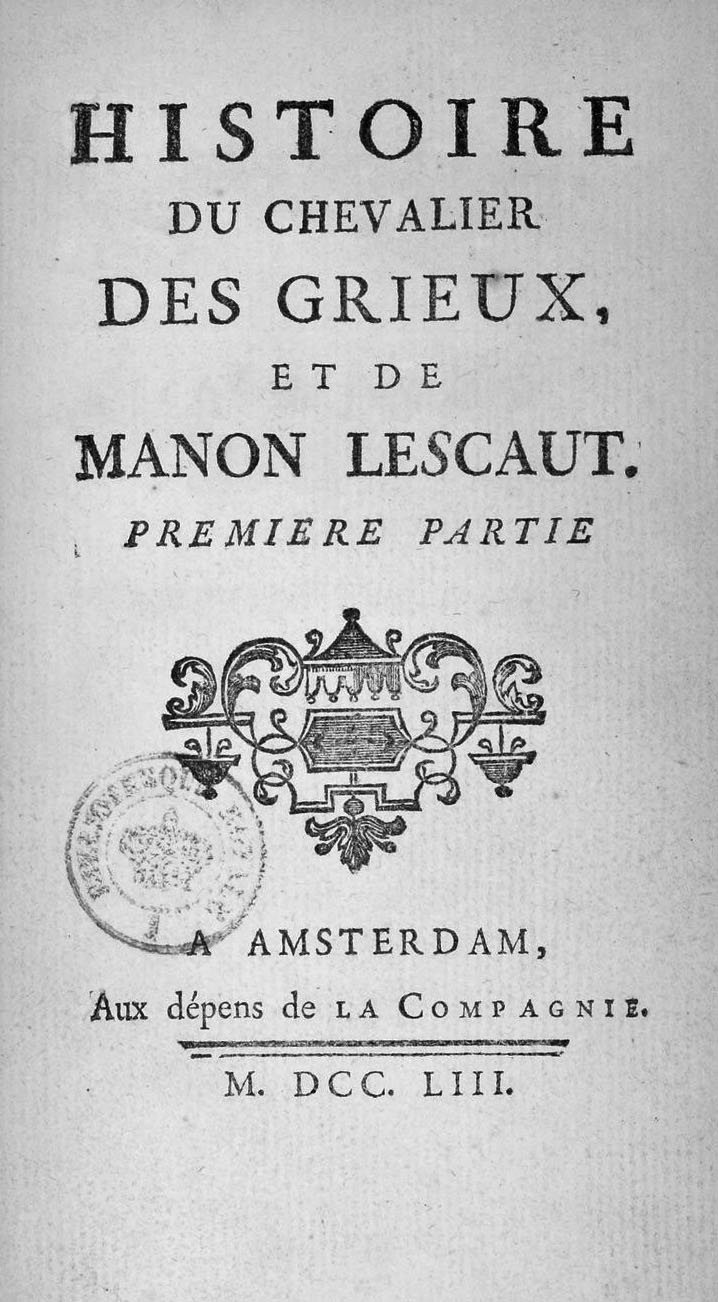
Published in 1731 as the seventh and final volume of Prévost's sprawling serial novel, *Memoirs and Adventures of a Man of Quality*, *The Story of the Chevalier des Grieux and Manon Lescaut* immediately ignited controversy. The 18th century was an era grappling with evolving societal norms, and Prévost's unflinching depiction of a forbidden love affair, rife with moral ambiguity, struck a nerve. The novel's unique blend of realism and romance pushed boundaries, illustrating the harsh realities of Paris's "low life" and discussing the characters' perpetual money problems in meticulous detail – choices that contributed significantly to its initial aura of scandal.
The narrative followed the passionate, often reckless, relationship between a nobleman, the Chevalier des Grieux, and the enigmatic commoner, Manon Lescaut. Their decision to cohabit without the sanction of marriage, a blatant defiance of the era's social and religious conventions, was a primary source of contention. In 1733, the authorities in Paris took decisive action, seizing all copies for sale due to the volume's perceived "morally questionable content." This effective ban, far from burying the novel, inadvertently contributed to its surging popularity. Like forbidden fruit, the narrative became even more enticing, leading to a proliferation of unauthorized reprints that ensured its survival and spread. Recognizing its independent power, Prévost himself revised and republished *Manon Lescaut* as a standalone book in 1753, a version that remains the most widely circulated today, a testament to its singular impact beyond its original serialized context.
Love, Luxury, and Moral Lapses: Unpacking the Tragic Romance
At the heart of *Manon Lescaut* is a love story as intense as it is ill-fated. The privileged Chevalier des Grieux, destined for a life of nobility, abandons his family's expectations and hereditary wealth for the intoxicating allure of Manon. Their initial bliss in Paris is overshadowed by Manon's insatiable "taste for luxury," a desire that Des Grieux, despite his noble birth, struggles to satisfy. His desperate attempts to maintain their lavish lifestyle plunge him into a downward spiral of borrowing from his loyal friend Tiberge and resorting to cheating at gambling – a stark illustration of how love can lead to moral compromise.
The precariousness of their existence is repeatedly highlighted as Des Grieux's fortunes evaporate, whether by theft or unforeseen disaster. Each financial collapse prompts Manon to leave him for a richer benefactor, revealing her inability to endure penury – a pragmatic, yet heartbreaking, aspect of her character that has fueled centuries of debate. The lovers' tragic journey culminates in New Orleans, a desolate colonial outpost to which Manon is deported as a prostitute. Here, under the guise of marriage, they briefly find an idyllic peace. However, their fragile happiness is shattered when Des Grieux, seeking to legitimize their union, reveals their unmarried state to the Governor, inadvertently attracting the attention of the Governor's nephew. A desperate duel, a mistaken belief of murder, and a frantic flight into the unforgiving Louisiana wilderness ensue, leading to Manon's death from exposure and exhaustion. Des Grieux, after burying his beloved, is eventually rescued by Tiberge and returned to France, forever marked by his consuming passion. For a deeper dive into the raw, often unsettling, realism that defines this narrative, explore
From Paris to New Orleans: The Tragic Realism of Manon Lescaut.
Manon Lescaut's Enduring Legacy and Evolving Interpretations
From being an object of moral condemnation, *Manon Lescaut* ascended to the pinnacle of French literature. By 1991, it had become the most reprinted novel in French literary history, boasting over 250 editions in 260 years – a clear indicator of its unparalleled grip on the imagination. Its enduring power lies not just in its dramatic plot, but in its pioneering narrative style. Narrated retrospectively by Des Grieux, it's an early and powerful example of the French "confessional récit," offering a deeply subjective, often biased, account of the events.
The novel's impact extends far beyond the printed page, inspiring a wealth of adaptations across artistic mediums. Plays, ballets, and films have all sought to capture its essence, but it is in the realm of opera that *Manon Lescaut* found some of its most renowned expressions. Daniel Auber's (1856), Jules Massenet's *Manon* (1884), and Giacomo Puccini's *Manon Lescaut* (1893) each bring their unique operatic vision to the story, testament to the dramatic potential and emotional resonance of Prévost's original.
Audiences' perceptions of Manon herself have evolved dramatically over the centuries, mirroring shifts in societal values and critical thought. Eighteenth-century readers, fresh from the novel's scandalous debut, often viewed her with pity, acknowledging the sincerity of her love despite her moral failings. The 19th century, marked by Romanticism, transformed her into a nearly mythological sex symbol – a perplexing figure vacillating between the archetypes of the seductive *femme fatale* who corrupts Des Grieux and the "hooker with a heart of gold." Modern scholars, however, tend to offer a more nuanced perspective, often seeing Manon as a victim of broader social forces and economic realities, whose experiences are ultimately filtered and potentially misrepresented by Des Grieux's impassioned, self-serving narration. To delve deeper into these fascinating shifts in perspective, consider reading
Manon Lescaut: Victim, Femme Fatale, or Timeless Enigma?. This multiplicity of interpretations ensures that Manon Lescaut remains a perpetually engaging and relevant character.
Manon Lescaut Citations: A Testament to Timeless Influence
While *Manon Lescaut* may not be renowned for direct, oft-quoted lines in the way some philosophical or poetic works are, the concept of "Manon Lescaut Citations" truly shines when understood in a broader cultural context. The novel is "cited" not merely through verbal quotes, but through its persistent presence and echoes across literature, art, and critical discourse. It's cited in every adaptation, every scholarly article, and every conversation about obsessive love, moral dilemmas, and the tragic consequences of societal pressures.
What truly constitutes "Manon Lescaut Citations" in this sense are the indelible themes and character archetypes that Prévost so powerfully established:
- The Destructive Power of Obsessive Love: Des Grieux's all-consuming passion, which leads him to abandon honor, family, and fortune, is a recurring "citation" in discussions of romantic tragedy.
- The Enigma of Manon: Her blend of innocent charm, pragmatic materialism, and genuine affection creates a character whose motivations are endlessly debated, making her a constant "citation" for discussions on female agency and victimhood.
- The Stark Realism of Poverty: Prévost's detailed descriptions of financial hardship and its impact on human dignity are powerful "citations" of the era's social realities.
- The Journey from Old World to New: The harrowing deportation to New Orleans and the subsequent flight into the American wilderness offer a unique "citation" of both colonial history and the idea of escaping societal judgment, only to confront nature's unforgiving truth.
For students and enthusiasts of literature, recognizing these broader "citations" enriches the experience of engaging with *Manon Lescaut*. It's not just about appreciating a standalone story; it's about understanding how a seemingly simple tale of two lovers became a touchstone for exploring profound human experiences that continue to resonate. The novel is perpetually "cited" because its core concerns—love, loss, morality, and the pursuit of happiness—are eternal.
Conclusion
Abbé Prévost’s *Manon Lescaut* stands as a monumental achievement in French literature, a novel whose initial prohibition ultimately amplified its voice and ensured its immortality. Its journey from a morally condemned sensation to a beloved classic exemplifies the power of art to transcend its immediate context and speak to universal human truths. Through its vivid characters, tragic narrative, and pioneering realism, *Manon Lescaut* continues to fascinate and challenge, proving that some stories, even those deemed scandalous, are destined to be retold, reinterpreted, and forever cited in the grand narrative of human experience. It remains a testament to the enduring allure of forbidden love and the complex tapestry of the human heart.