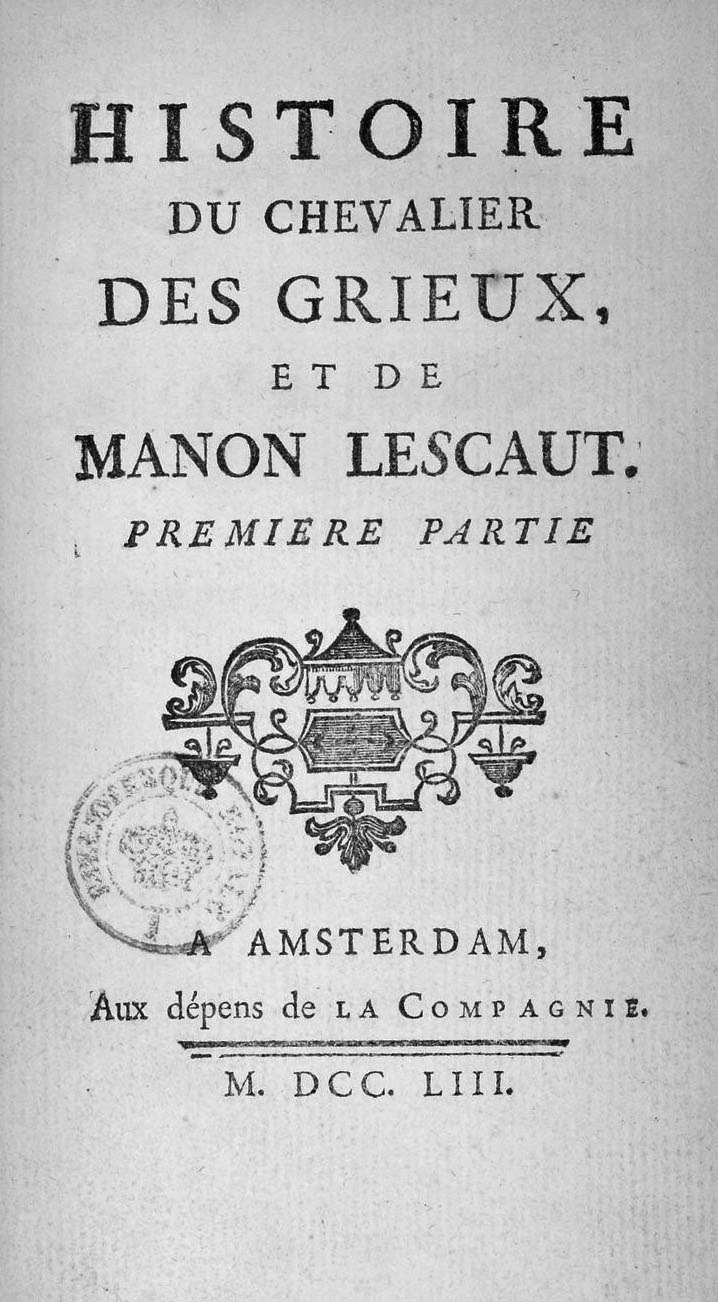
The Enduring Tragedy of Manon Lescaut: A Journey Through Love, Ruin, and Realism
Abbé Prévost's seminal 1731 novel,
The Story of the Chevalier des Grieux and Manon Lescaut, commonly known as
Manon Lescaut, is a literary masterpiece that transcends its 18th-century origins. It paints a vivid, heartbreaking portrait of love against a backdrop of societal conventions, financial desperation, and moral decay, journeying from the glittering, treacherous streets of Paris to the untamed wilderness of colonial New Orleans. More than just a love story, it's a profound exploration of human nature, societal hypocrisy, and the often-grim realities that underpin romantic passion. Its raw honesty and unprecedented realism have made it a classic, frequently inviting academic discussion and generating countless
Manon Lescaut citations in literary scholarship and beyond.
A Destined Encounter: Parisian Bliss and Inevitable Downfall
The narrative introduces us to the young, aristocratic Chevalier des Grieux, a promising seminary student whose life takes an irrevocable turn upon meeting the enchanting Manon Lescaut. Despite his noble lineage and the expectations of his family, des Grieux is instantly captivated, choosing to abandon his hereditary wealth and disappoint his father for a life with Manon.
Their initial cohabitation in Paris is depicted as a period of blissful, albeit precarious, happiness. However, Manon's undeniable "taste for luxury" – a characteristic often highlighted in
Manon Lescaut citations as central to the tragedy – soon introduces a destabilizing element. Des Grieux, deeply in love and desperate to satisfy her desires, resorts to increasingly dubious means to secure money. He borrows incessantly from his loyal friend Tiberge, a figure of moral rectitude who stands in stark contrast to the lovers' escalating compromises. Des Grieux also descends into the underworld of cheating gamblers, a path that foreshadows the couple's moral decline.
The novel realistically portrays the brutal impact of financial instability on love. On multiple occasions, their hard-won wealth vanishes – through theft, a devastating house fire, or simply poor management. Each time, Manon, unable to endure the prospect of penury, abandons des Grieux for a richer suitor. These repeated desertions, painful as they are, underscore a pragmatic realism that complicates her character, moving her beyond a simple femme fatale to a woman acutely aware of her limited options in an unforgiving society. The depiction of money problems in explicit numerical detail was revolutionary for its time, lending the story an unflinching authenticity that made it both scandalous and compelling.
From French Morality to New World Peril: The Louisiana Exile
The lovers' repeated brushes with the law and their unconventional lifestyle eventually lead to their ultimate punishment: Manon's deportation to the nascent French colony of New Orleans, then a remote and arduous destination. Des Grieux, consumed by his love, follows her, choosing exile over a life without Manon.
In New Orleans, a fragile peace momentarily settles upon them. They pretend to be married, carving out an idyllic existence far from the judgmental eyes of Parisian society. This period of seemingly pure happiness highlights the transformative power of their love when unburdened by the relentless pressure of social expectations and financial scarcity.
However, this tranquility proves fleeting. Des Grieux, seeking legitimacy for their union, reveals their unmarried status to the Governor and requests to be wed. This honest plea unwittingly reignites the flames of tragedy. The Governor's nephew, captivated by Manon's beauty, resolves to win her hand, setting in motion a chain of events that leads to a desperate duel between him and Des Grieux. Believing he has killed his rival, and fearing severe retribution, the couple flees into the vast, untamed Louisiana wilderness, hoping to reach an English settlement. It is here, exposed to the harsh elements and pushed beyond her physical limits, that Manon succumbs to exhaustion and dies in Des Grieux's arms. His profound grief as he buries her in the wilderness is one of the novel's most heart-wrenching and frequently referenced scenes, a testament to the depth of their tragic bond. Eventually, a grieving Des Grieux is found and returned to France by his ever-loyal friend, Tiberge.
Beyond the Plot: Unpacking Manon Lescaut's Enduring Legacy
Manon Lescaut's journey from a controversial work to a cherished classic is a fascinating tale of evolving literary and societal perspectives. Originally published in 1731 as part of Prévost's longer serial novel,
Memoirs and Adventures of a Man of Quality, it was deemed "morally questionable" due to its frank depiction of "low life" and its sympathetic portrayal of illicit love. Copies were seized, yet this effective ban only fueled its popularity, leading to unauthorized reprints and its eventual re-release as a standalone, revised edition in 1753. This remarkable trajectory from ban to beloved status is a topic often explored in discussions that draw from
Manon Lescaut citations, underscoring its rebellious spirit. To delve deeper into this phenomenon, read about
Banned to Beloved: Manon Lescaut's Journey as a French Classic.
The Narrative Voice and Evolving Interpretations
One of the novel's most striking features is its narrative style: it is retroactively told by des Grieux, an early example of the French confessional *récit*. This first-person perspective deeply colors our understanding of Manon, presenting her largely through des Grieux's adoring, yet often biased, eyes. Over the centuries, audiences and scholars have offered vastly different interpretations of Manon's character:
*
18th-century audiences often pitied her, recognizing the sincerity of her love despite her moral failings.
*
19th-century responses, influenced by Romanticism, elevated her to a nearly mythological sex symbol – either a dangerous *femme fatale* who corrupts des Grieux or a "hooker with a heart of gold."
*
Contemporary scholars tend to view Manon as a victim of broader social forces, constrained by a patriarchal society and misrepresented by des Grieux's subjective narration. These diverse viewpoints are frequently the subject of academic
Manon Lescaut citations, highlighting the novel's complex characterizations. For a deeper analysis of these varied interpretations, explore
Manon Lescaut: Victim, Femme Fatale, or Timeless Enigma?.
Proliferation of Adaptations and Literary Citations
The novel's enduring power is also evidenced by its status as one of the most reprinted novels in French literature, with hundreds of editions over the centuries. Its profound emotional depth and dramatic potential have made it a fertile ground for numerous adaptations across various art forms, including plays, ballets, films, and most famously, operas. The operas by Daniel Auber (1856), Jules Massenet (1884), and Giacomo Puccini (1893) stand as monumental artistic achievements, each offering a unique interpretation of Prévost's tragic tale. These adaptations themselves serve as powerful "
Manon Lescaut citations," demonstrating how the core story and its characters continue to inspire and resonate across generations and cultures.
Why Manon Lescaut Continues to Resonate
The tragic realism of
Manon Lescaut lies in its unflinching portrayal of the consequences of passion unchecked by prudence, and love tested by poverty and societal judgment. It's a timeless exploration of:
*
Love and Obsession: Des Grieux's consuming, almost pathological love for Manon remains one of literature's most compelling studies of devotion and self-destruction.
*
Societal Hypocrisy: The novel implicitly critiques the rigid class structures and moral double standards of 18th-century France, where a nobleman's reputation could be ruined by an illicit affair, and a common woman's survival often depended on her beauty.
*
The Price of Freedom: Manon and Des Grieux repeatedly choose personal freedom and passionate love over societal acceptance and financial security, paying a devastating price for their choices.
*
The Human Condition: At its heart, it's a story about human frailty, the pursuit of happiness, and the often-painful lessons learned from a life lived outside conventional bounds.
For readers seeking to understand the origins of the tragic heroine archetype, or for those interested in the psychological depths of obsessive love,
Manon Lescaut offers unparalleled insight. Its compelling narrative, rich character development, and groundbreaking realism ensure its place not only as a cornerstone of French literature but as a work that continues to provoke thought and emotion, frequently meriting
Manon Lescaut citations in any serious discussion of literary history or human passion.
In conclusion, Abbé Prévost's
Manon Lescaut is far more than a simple love story; it is a profound exploration of fate, choice, and the societal pressures that shape individual destinies. Its journey from being a scandalous text to a celebrated classic underscores its timeless relevance and artistic merit. From the glittering, perilous salons of Paris to the stark, unforgiving landscapes of colonial Louisiana, the tragic tale of Manon and Des Grieux continues to captivate, challenge, and inspire countless literary
Manon Lescaut citations, solidifying its place as an enduring masterpiece of tragic realism.